.webp)
Transparent Selection: Avoid the Hidden Costs
BTU unit price is only one part of cost. The real cost comes from downtime, scrap, and premature failures caused by overload, wrong orientation, and contamination.
| Cost driver | What happens (typical) | How we prevent (best-practice approach) |
|---|---|---|
| Undercount / uneven load | “Rated × qty” looks OK, but load concentrates (often 3‑point contact) → early failure. | Conservative layout + optional spring‑loaded units + flatness guidance. |
| Dust / chips | Debris enters housing → jamming, high push force, inconsistent motion. | Sealed designs and/or debris exit holes + shielding + maintenance plan. |
| Corrosion | Plating fails in wet/chemical environments → rust, rough rolling, seizure. | Stainless material selection (304/316) + environment matching. |
| Surface damage | Steel balls can scratch glass/coatings when grit is present. | Non‑marking nylon/Delrin ball options + lower contact pressure (more units). |
| Ball Down misuse | Inverting a Ball Up unit increases jamming risk and reduces capacity. | Use purpose-designed Ball Down structures (retention/anti‑drop), confirm by test. |
Why Projects Fail
Two suppliers can quote the “same” BTU size but deliver very different real-world performance. The difference is engineering assumptions, sealing structure, load sharing, and quality control.
Higher Risk (Lowest-price only)
- No conservative load-sharing assumptions
- Open designs in dusty/chip environments
- No guidance for flatness / spacing
- Ball Down “works” without validation
Lower Risk (Engineering-first)
- Load distribution checks + spacing plan
- Seals + exit-hole structures for contamination
- Material matched to environment (304/316)
- Spring-loaded options for uneven surfaces
Engineering‑First Supplier
Focus: stable operation, less downtime, correct selection, and repeatable quality.
Cheap Supplier
Focus: lowest unit price. Higher risk of rework, replacement, and jamming in the field.
Layout Calculator
Inputs
Placeholder factorsDefaults : utilization 60%, inverted factor 0.6, nylon factor 0.65, spring rating factor 0.9, environment + load-sharing factors, pitch rules.
Results
WaitingShow assumptions & factors (reference)
Our BTU Range
Typical capability
- Ball diameter: 19–50 mm
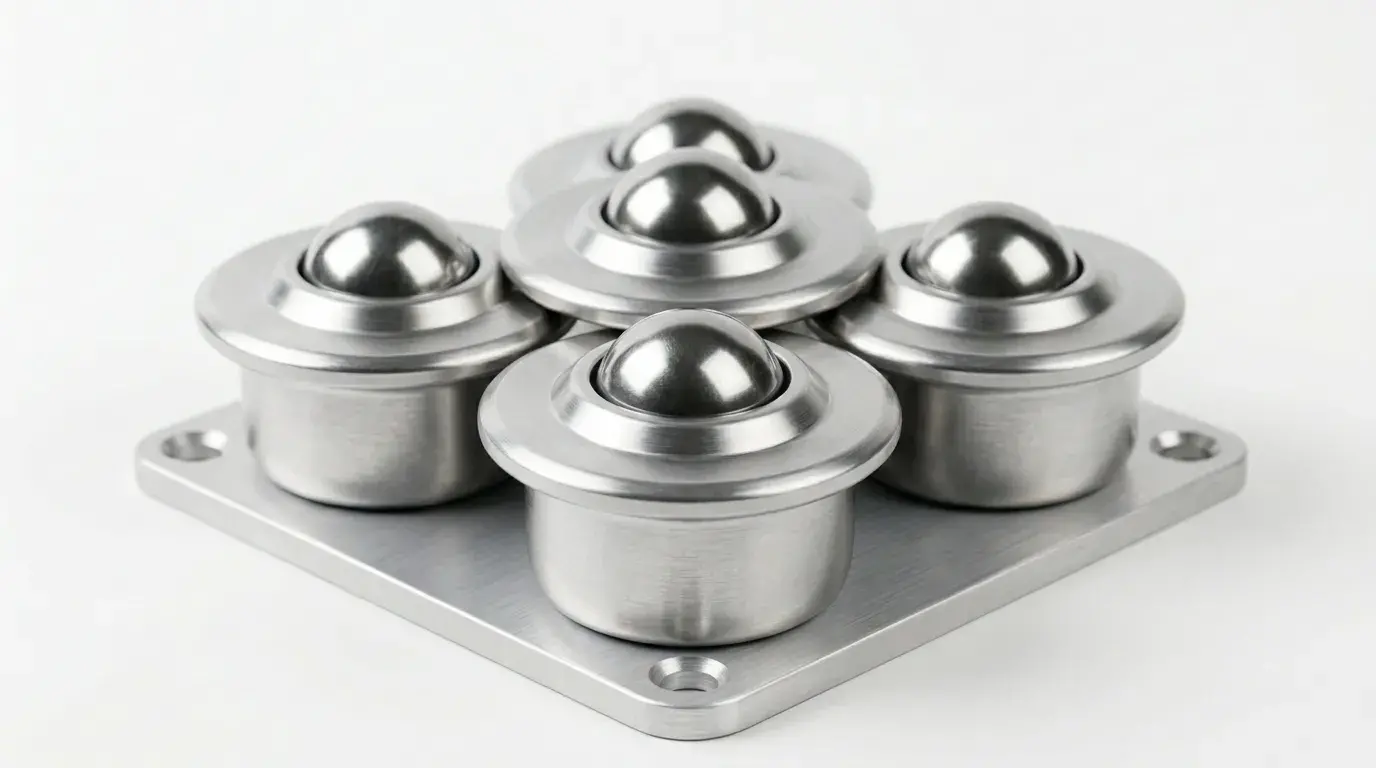
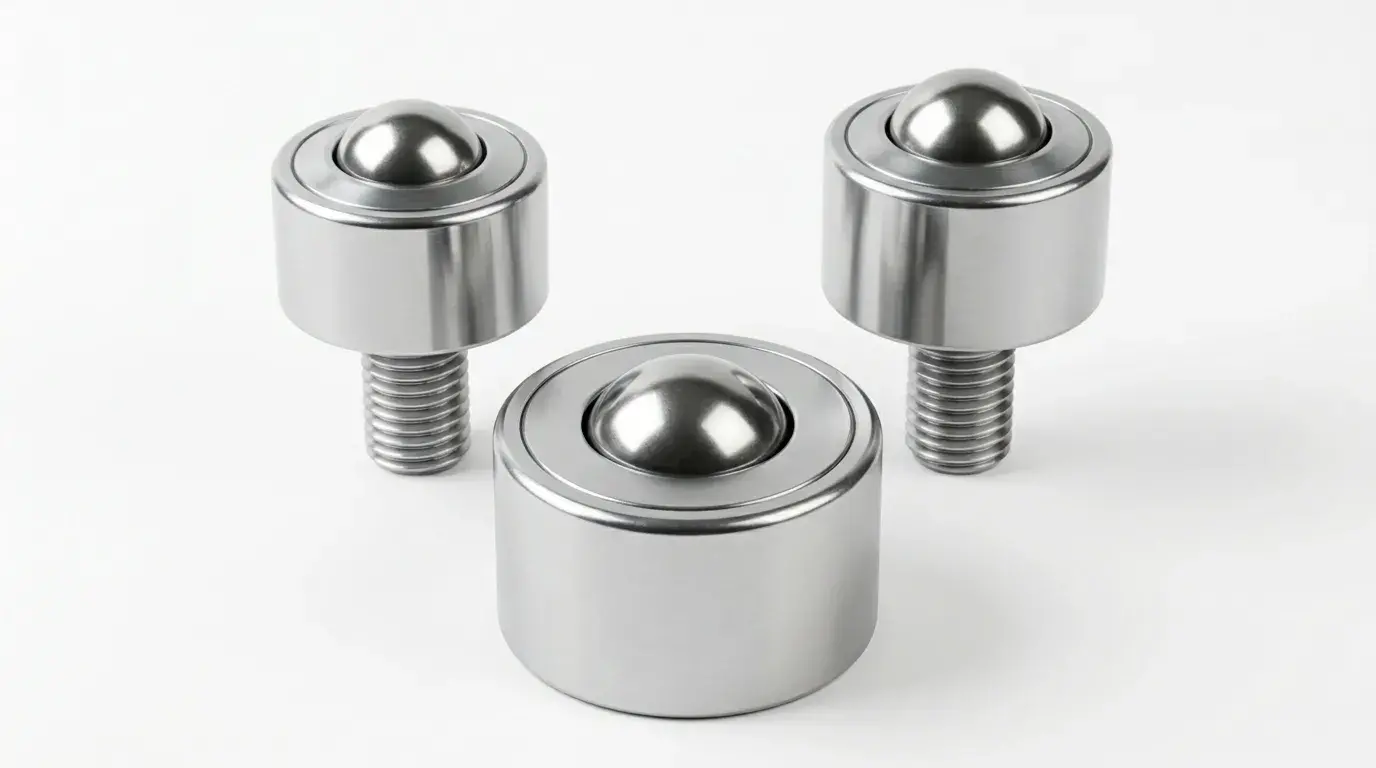
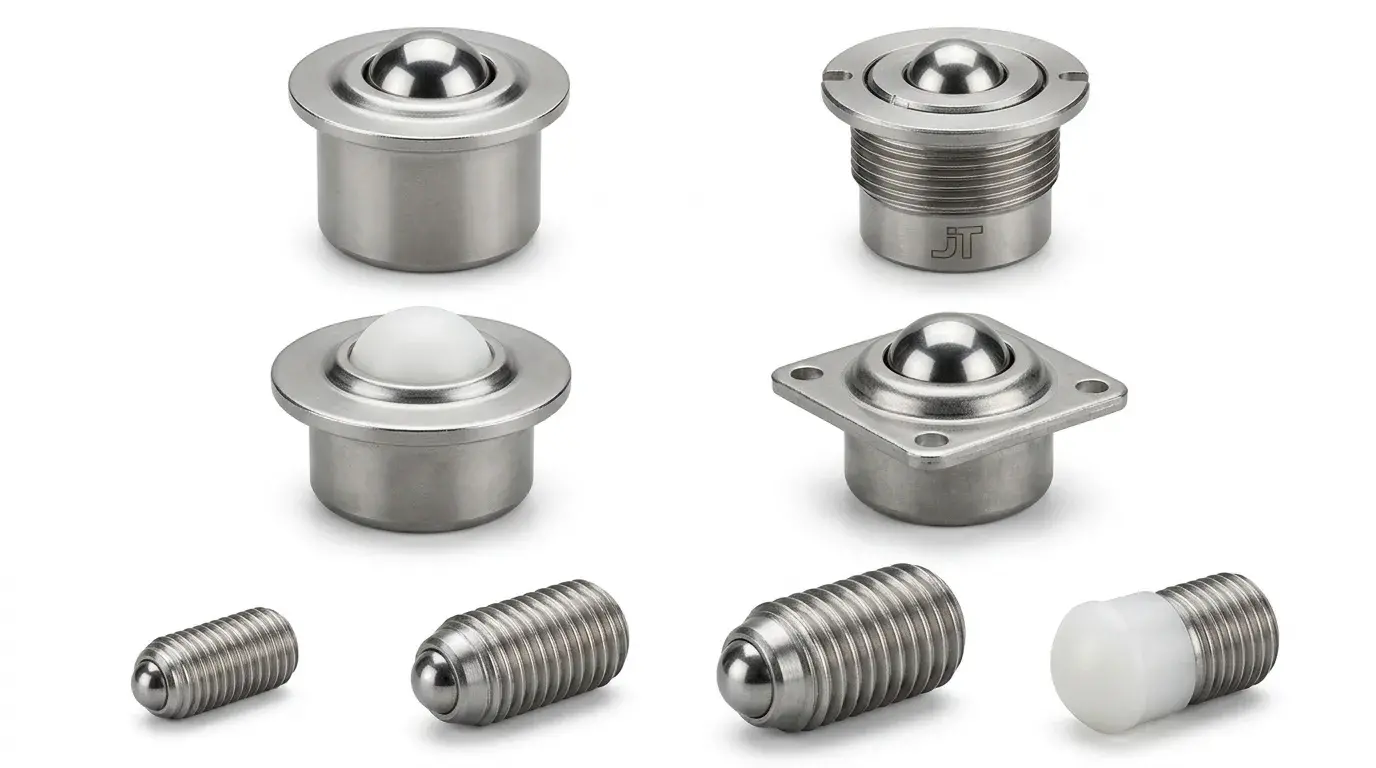
- Mounting: flange / threaded stem / recessed
- Options: open, sealed, debris exit holes (model dependent)
- Special: spring-loaded travel , Ball Down structures (purpose design)
- Materials: carbon steel, stainless 304/316, nylon/Delrin ball
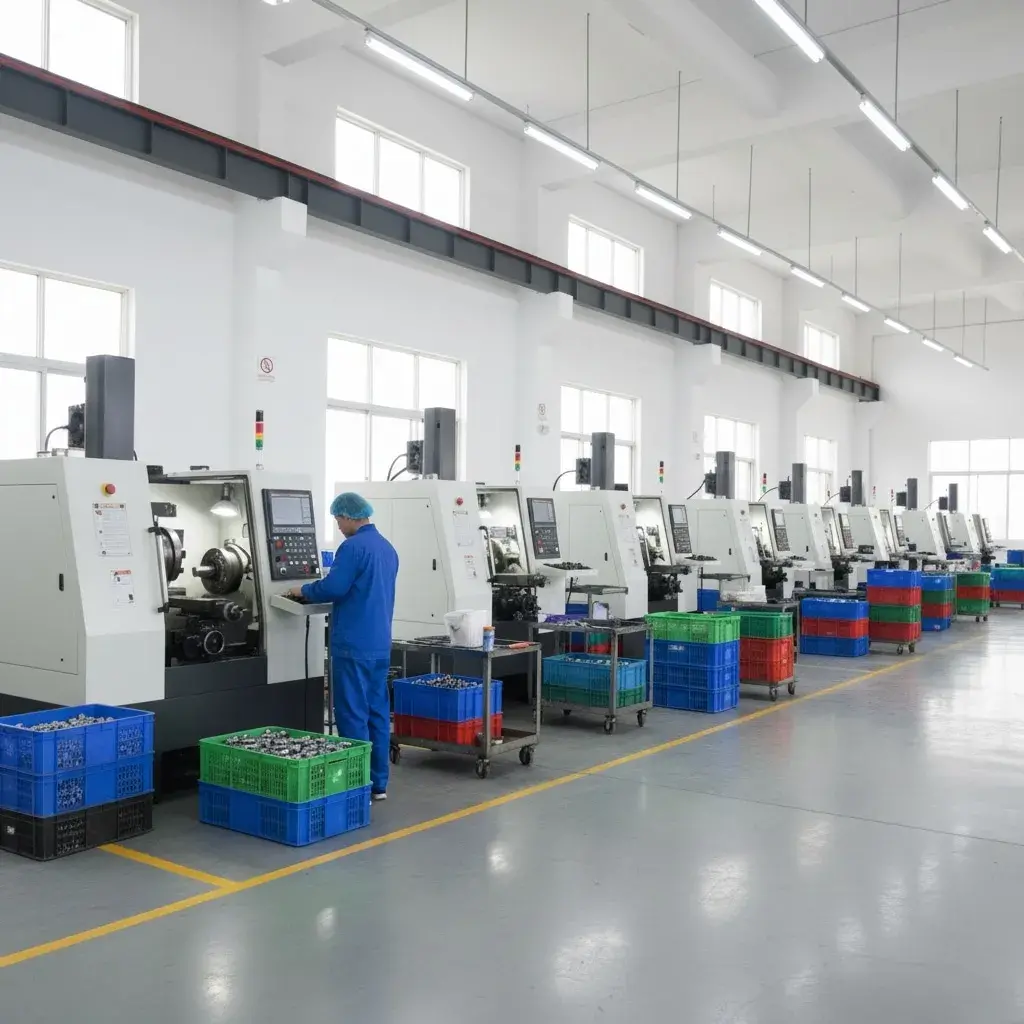
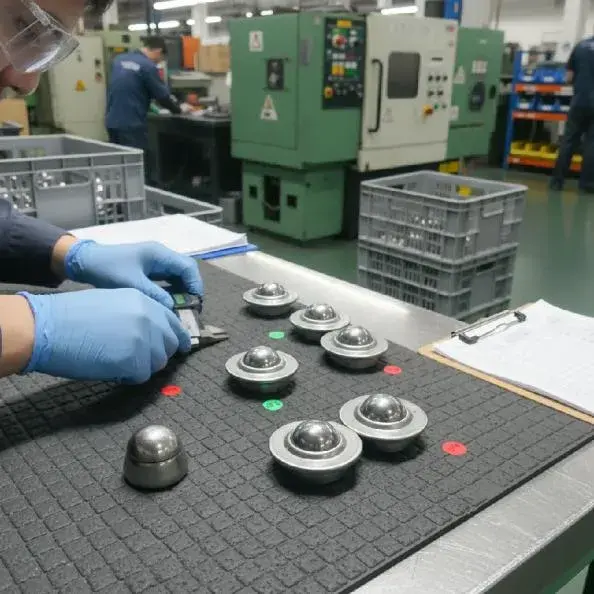
Tip: use 1 strong factory/QC image + 1 strong application image for Google Ads trust.
Lifecycle Cost
The cheapest unit is rarely the cheapest system. The goal is low push force, low jamming rate, and long service life.
Replace with a simple chart: downtime cost, replacement cycles, maintenance frequency.
What we optimize
- Correct spacing to reduce per-unit stress and “flat spot” failures
- Sealing/exit-hole structure to reduce jamming in real environments
- Non-marking options for sensitive surfaces (lower scrap)
- Right orientation design (Ball Up vs Ball Down) to avoid misuse
No More Supplier Headaches
Faster technical answers, clearer selection, and predictable delivery—built for procurement and engineers.



Trusted by




Forum‑Proven Quick Answers
Dynamic vs. static load — which matters for selection?
Why do units fail even if “rated × qty” seems enough?
Do spring-loaded BTUs help with uneven surfaces?
What safety factor should I use?
Can I mount a standard BTU Ball Down (inverted) like a caster?
How much does capacity drop in Ball Down use?
Installation tips to avoid overload & jamming
BTU vs swivel casters for carts?
Stainless vs carbon steel — what changes?
Will steel balls scratch glass/coated surfaces?
Nylon/Delrin balls — tradeoffs?
304 vs 316 stainless — which one?
Why do ball transfers jam or stop rolling?
How to reduce jamming in dusty/chip environments?
Open vs sealed — which should I pick?
Do “self-cleaning” designs exist?
How hard is it to push? (starting resistance)
How to reduce noise?
When are BTUs better than casters?
Need low profile?
Ready to Stop Jamming & Overload Failures?
Send your load + footprint + environment + orientation. If you upload a drawing/photo, we can confirm a model and layout faster.
What to include (fastest quote)
- Total load (kg) and footprint size (L×W)
- Environment: clean / dusty-chips / wet-corrosive
- Ball Up or Ball Down requirement
- Surface sensitivity (non‑marking needed?)
- Drawing/photo + target lead time